For many students within the Miva learning ecosystem, the platform serves as the core of their academic journey, providing access to lectures, assessments, revision materials, and communication channels. This makes reliability essential, especially during exam season when every study session counts. Unfortunately, the increasing frequency of 504 gateway errors has disrupted this flow, leaving students stranded at moments when they rely most on stable access to the Learning Management System.
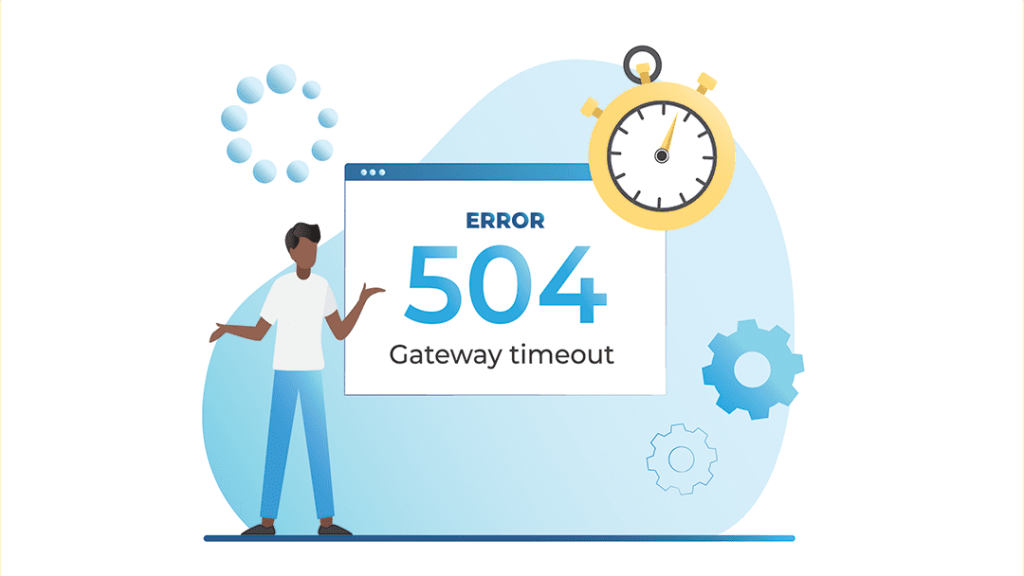
These 504 gateway errors occur when the server takes too long to respond, creating delays, failed page loads, and complete access blockages. For students preparing for upcoming exams, these interruptions introduce stress and uncertainty. Instead of diving into revision or completing academic tasks, they often find themselves stuck refreshing pages endlessly or waiting minutes for modules to load, which shapes their study rhythm negatively and affects their morale in general.
Beyond the technical inconvenience, the emotional impact on students has been significant. Many plan their study hours carefully, balancing coursework with personal commitments. When these crucial hours are wasted battling system errors, it leads to frustration, anxiety, and a sense of lost control. Over time, this fatigue affects motivation, consistency, and overall readiness for examinations, creating a barrier that has nothing to do with academic ability.
To ease these challenges, the platform needs stronger servers and more scalable backend infrastructure capable of handling heavy traffic without slowing down. The growing student community requires a system that expands with them, ensuring fast processing, stable performance, and fewer timeouts. With a more robust setup, students would face fewer disruptions and enjoy a smoother academic experience, especially during exam periods such as the upcoming first semester examination exercise.
Another solution lies in adopting better monitoring tools and timely communication. When outages happen, students should not be left confused about whether the problem is from their devices or from the platform. Clear status updates, real-time alerts, and expected fix times would help them reorganize their study schedules instead of waiting in uncertainty. This transparency also builds confidence and shows that the institution is actively attentive to their needs.
Finally, Miva can introduce more offline-friendly features to cushion students during system instability. Downloadable lecture notes, cached modules, and low-data access options would allow learning to continue even when the server experiences delays. Coupled with responsive student support and academic flexibility during prolonged outages, these measures would ensure that students remain prepared and emotionally grounded. With these adjustments, the learning journey becomes more reliable, enabling students to focus on what truly matters: performing their best in upcoming exams.
Leave a Reply