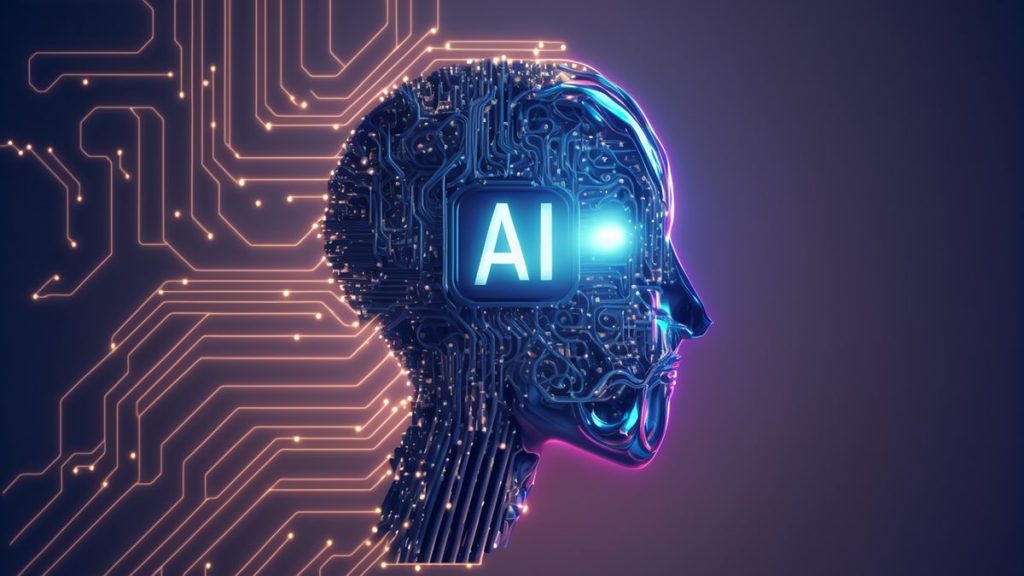
For many students today, Artificial Intelligence is no longer a distant concept discussed in tech conferences. It is present in our lecture notes, our assignments, our research process, and even our late-night study sessions. In a digital learning environment like Miva Open University, where technology powers our classrooms, the question feels even more personal: Is AI our friend, or is it quietly becoming our worst enemy?
On one hand, AI has become a powerful academic assistant. Students use AI tools to simplify complex concepts, generate research ideas, practice interview questions, and improve their writing. For someone studying remotely, without the physical structure of a traditional campus, AI can feel like a 24/7 tutor. It reduces the frustration of learning alone and increases confidence when tackling unfamiliar topics. In this sense, AI feels like a friend — supportive, accessible, and efficient.
But there is another side to the story. When students begin to depend on AI to think, write, or solve every academic challenge, something subtle happens. Critical thinking weakens. Creativity reduces. The struggle that once built resilience slowly disappears. Education is not just about submitting assignments; it is about developing the ability to reason, question, and innovate. If AI begins to do all the heavy lifting, are we still learning — or merely copying intelligence that is not ours?
There is also the larger concern about the future of work. Many Miva students are preparing for careers in tech, business, media, and emerging industries. AI is rapidly transforming these fields. Some roles are evolving, others are disappearing, and new ones are being created. This reality can be unsettling. However, history has shown that technology does not simply replace people — it replaces people who refuse to adapt. The real threat is not AI itself, but our unwillingness to grow alongside it.
From my point of view, AI is neither a friend nor an enemy. It is a mirror. It reflects how disciplined, ethical, and intentional we are as students. If we use it to enhance understanding, improve productivity, and expand our creativity, it becomes a powerful ally. But if we use it to avoid effort and bypass learning, it quietly becomes our worst enemy — not because it harms us directly, but because it limits our growth.
For Miva students, the challenge is not to reject AI, nor to embrace it blindly. It is to master it without becoming dependent on it. The future belongs not to those who fear artificial intelligence, but to those who understand it — and still choose to think for themselves.
Leave a Reply